Skip to content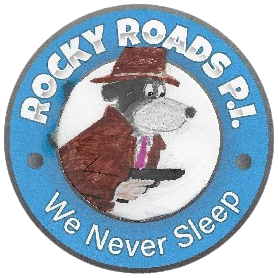

There’s a moment every fan knows. You open an issue, glance at the first panel, and something just clicks. It’s not only the story pulling you in. It’s the pacing, the color choices, the way a character leans just slightly forward as if they might step out of the page.
That quiet magic is what makes comic books such a unique art form. They sit somewhere between literature and cinema, but they don’t fully belong to either. And that’s exactly what makes them interesting.
Where Story Meets Structure
At their core, comic books are about storytelling. That sounds obvious, but the way they tell stories is anything but simple. Writers don’t just write dialogue. They think in panels, in beats, in silence.
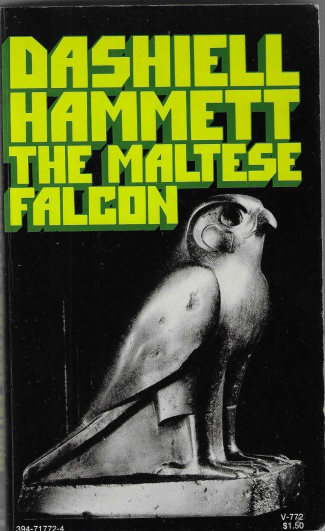
Take a classic noir-inspired, black and white comic like Rocky Roads: The Portuguese Pigeon Case – Homage Dashiell Hammett by Les Bundy. It leans into atmosphere as much as plot. The tension often lives between panels, not inside them. A glance, a shadow, an unfinished sentence. That’s where readers do some of the work themselves, filling in emotional gaps.
This collaboration between creator and reader is something traditional novels rarely demand.
The Language of Panels
Flip through a few different comic books, and you’ll start noticing patterns. Or maybe disruptions of patterns. Panels control time. A wide panel slows things down. A series of small, tight panels speeds everything up. Artists manipulate space to create rhythm. It’s closer to music than people expect.
Then there’s the “gutter,” that blank space between panels. Strange thing to focus on, right? But it’s essential. What happens there is invisible, yet your brain stitches it together. A punch thrown in one panel lands in the next. You never see the motion, but you feel it.
That’s visual storytelling at its sharpest.
Artists Who Redefined the Medium
Some creators didn’t just make comic books; they reshaped how they could be made. Will Eisner treated pages like cinematic sequences long before that became common practice. His work blurred the line between comics and literary art.
Jack Kirby brought explosive energy. His characters didn’t just stand still; they crackled with motion. Even a static image felt like it might burst. Then there’s Alan Moore, who approached comic books with a level of narrative complexity that pushed the medium into darker, more layered territory. His stories didn’t hand you answers. They made you sit with questions.
Each of them approached the page differently, but they shared one thing. They treated comics seriously, even when the subject matter was fantastical.
Color, Mood, and Emotion
Color in comic books isn’t decoration. It’s storytelling. Bright, saturated palettes often signal optimism or action. Muted tones lean toward introspection or tension. Sometimes a single color shift can completely change how a scene feels.
Think about a scene that moves from warm orange tones into cold blues. You don’t need dialogue to understand the emotional shift. Your brain reads it instantly. That kind of visual shorthand is powerful. It’s subtle, but once you notice it, you can’t unsee it.
Why Comic Books Still Matter
There’s a strange assumption floating around that comic books are either nostalgic relics or stepping stones to movies. That’s a bit unfair.
The medium keeps evolving. Indie creators are experimenting with form. Digital platforms are changing how stories are consumed. Even the structure of panels is being questioned. And readers? They’re more engaged than ever. Not just consuming, but analyzing, debating and collecting.
Part of the appeal is flexibility. Comic books can handle light humor, deep philosophy, or gritty realism without needing to justify the shift. Few mediums move that freely.
The Bottom Line
Here’s the thing. You don’t passively read comic books. You participate in them. You decide how long to linger on a panel. You interpret expressions. You connect moments across pages. It’s an active experience, even when it feels effortless.
That’s probably why people keep coming back. Not just for the characters or the worlds, but for the feeling of being part of the storytelling process itself. And once you start noticing the craft behind it all, the experience changes. You’re not just reading; you’re seeing the invisible work that makes it all come alive.